

round vanity mirror with lights
Understanding Stop and Check Valves Functionality and Applications Stop and check valves are essential components in various industrial and mechanical systems. They serve fundamental roles in controlling fluid flow, ensuring safety, and maintaining operational efficiency in pipelines and other fluid transport systems. What is a Stop and Check Valve? A stop and check valve is a combination of two distinct types of valves a stop valve and a check valve. The stop valve is designed to shut off the flow of media when required, while the check valve allows flow in one direction but prevents backflow. This dual functionality makes the stop and check valve an invaluable asset in many applications, particularly where fluid control and prevention of reverse flow are critical. How Does It Work? The operation of a stop and check valve is relatively straightforward. When the valve is in the 'open' position, fluid is allowed to flow through. If the need arises to stop the flow, the stop valve can be actuated to close. Simultaneously, the check valve functionality ensures that, regardless of any pressure changes downstream, liquid cannot flow back into the upstream system. One of the critical features of a stop and check valve is the mechanism that prevents backflow. This is typically achieved through a movable disc or ball that only opens with forward flow and closes tightly against the seat in the absence of forward pressure. The design of these valves can vary, featuring rising or non-rising stems, and can be actuated manually or through automation, depending on the application. Applications of Stop and Check Valves Stop and check valves find applications across numerous industries, including water management, oil and gas, chemical processing, and HVAC systems. Here are some specific uses 1. Water and Wastewater Treatment In water treatment facilities, stop and check valves regulate flow and prevent contaminated water from backflowing into clean water lines. They are crucial in maintaining water quality and system integrity. stop and check valve 2. Oil and Gas Industry These valves are essential in pipelines and storage tanks, where they control the flow of crude oil, natural gas, and refined products. They prevent dangerous backflow that could lead to leaks or spills. 3. Cooling Systems In HVAC applications, stop and check valves regulate coolant flow within the system. They help ensure that the cooling cycle operates efficiently and that the refrigerant does not flow backward into parts of the system where it could cause damage. 4. Pump Protection Stop and check valves are often used in conjunction with pumps to ensure that water or other fluids do not flow back into the pump when it is turned off. This is crucial for protecting pump integrity and prolonging its operational lifespan. 5. Fire Protection Systems In fire suppression systems, these valves play a vital role in ensuring that water flows only in the designated direction, allowing for effective firefighting while preventing backflow that could compromise system integrity. Benefits of Using Stop and Check Valves The primary advantages of stop and check valves include their ability to provide both stopping and check functionalities in one device, reducing space and cost compared to using two separate valves. They enhance the safety of fluid handling systems and streamline operations by allowing for a more straightforward installation and maintenance process. Moreover, modern stop and check valves are designed to be durable and reliable, constructed from high-grade materials such as stainless steel or PVC, ensuring they withstand high pressures and corrosive environments. This durability translates into reduced downtime and lower maintenance costs over the lifecycle of the valve. Conclusion In summary, stop and check valves are critical components that enhance the safety and efficiency of fluid handling systems across various industries. Their unique ability to control flow and prevent backflow makes them indispensable in applications where fluid integrity is paramount. As technology advances, the design and functionality of these valves will continue to evolve, providing even greater benefits to engineers and operators in managing complex fluid systems. Understanding and utilizing stop and check valves effectively can lead to improved performance, safety, and reliability in any fluid handling application.
about
round vanity mirror with lights
Butterfly valves are essential components in modern fluid control systems, offering a balance of efficiency, durability, and cost-effectiveness. As industrial technologies evolve, the demand for advanced butterfly valve solutions continues to grow. This article provides an in-depth analysis of butterfly valves, their technical specifications, applications, and the role of Storaen (Cangzhou) International Trading Co. in supplying high-quality products. Understanding Butterfly Valves Butterfly valves, often referred to as throttle valves, are critical in water supply, drainage, and industrial piping systems. Their design allows for rapid shut-off and flow regulation, making them ideal for applications requiring frequent adjustments. The structural evolution of butterfly valves has led to enhanced performance, with modern designs addressing challenges related to pressure, temperature, and material compatibility. Read More About butterfly valves for sale Key Features and Advantages Compact Design: Butterfly valves are lightweight and space-efficient, making them suitable for installations with limited room. Cost-Effective: Their simple construction reduces manufacturing and maintenance costs compared to other valve types. Quick Operation: A 90-degree rotation of the disc allows for rapid opening and closing, enhancing system efficiency. Low Pressure Drop: The streamlined disc minimizes resistance, ensuring smooth fluid flow. Wide Material Compatibility: Available in materials like stainless steel, cast iron, and PVC, they adapt to diverse environments. Technical Specifications Parameter Details Material Options Stainless Steel, Cast Iron, PVC, Rubber Pressure Rating Up to 150 psi (varies by model) Temperature Range -20°C to 120°C (depending on material) Connection Types Wafer, Flanged, Threaded Disc Diameter 2 inches to 48 inches Actuation Options Manual, Electric, Pneumatic, Hydraulic Applications Across Industries Butterfly valves are versatile, serving critical roles in various sectors: Water and Wastewater Management: Regulate flow in municipal water supply and sewage systems. HVAC Systems: Control air and water flow in heating, ventilation, and air conditioning units. Chemical Processing: Handle corrosive fluids with materials like stainless steel or PTFE-lined discs. Power Generation: Manage cooling water and steam in turbines and boilers. Food and Beverage: Ensure hygiene and compliance with FDA standards using food-grade materials. Choosing the Right Butterfly Valve Selecting the optimal butterfly valve requires careful consideration of several factors: Working Conditions: Assess pressure, temperature, and fluid type to determine material and design requirements. Valve Types: Explore butterfly valve types such as centerline, double offset, and triple offset to match application needs. Connection Methods: Choose between wafer, flanged, or threaded connections based on system compatibility. Actuation Mechanism: Opt for manual, electric, or automated options depending on operational demands. Storaen (Cangzhou) International Trading Co.: A Trusted Supplier Storaen (Cangzhou) International Trading Co. is a leading provider of industrial valves, specializing in butterfly valve wholesale solutions. With a commitment to quality and innovation, the company offers a comprehensive range of butterfly valves tailored to global market needs. Storaen's expertise in international trade ensures that customers receive products compliant with global standards. Their inventory includes valves designed for harsh environments, supported by rigorous testing and certification processes. The company's dedication to customer satisfaction is reflected in its reliable after-sales service and technical support. Industry Standards and Certifications Adherence to industry standards is crucial for ensuring the safety and performance of butterfly valves. National Institute of Standards and Technology (NIST) provides guidelines for material testing and performance evaluation, which manufacturers like Storaen incorporate into their production processes. While specific NIST data on butterfly valves was unavailable during this search, the institute's role in establishing benchmarks for industrial components remains pivotal. Future Trends in Butterfly Valve Technology Advancements in materials science and smart technologies are shaping the future of butterfly valves. Innovations such as butterfly valve types and applications with integrated sensors for real-time monitoring are gaining traction. Additionally, the use of corrosion-resistant alloys and eco-friendly manufacturing practices is becoming increasingly common. Conclusion Butterfly valves are indispensable in modern industrial systems, offering a combination of functionality, efficiency, and adaptability. By understanding their technical specifications, applications, and selection criteria, users can optimize their piping systems for performance and longevity. Storaen (Cangzhou) International Trading Co. continues to lead the way in supplying high-quality butterfly valves, ensuring customers meet their operational goals. References Source: National Institute of Standards and Technology (NIST). Retrieved from https://www.nist.gov/ (Note: Specific data on butterfly valves was not found, but NIST's role in industrial standards is acknowledged.)
-

High quality industrial productsagement

High quality industrial products
View Details -

Meet the diverse needs of customers

Meet the diverse needs of customers
View Details -

Strict quality control

Strict quality control
View Details -

Top raw materials

Top raw materials
View Details -

Trusted supplier

Trusted supplier
View Details
Our application


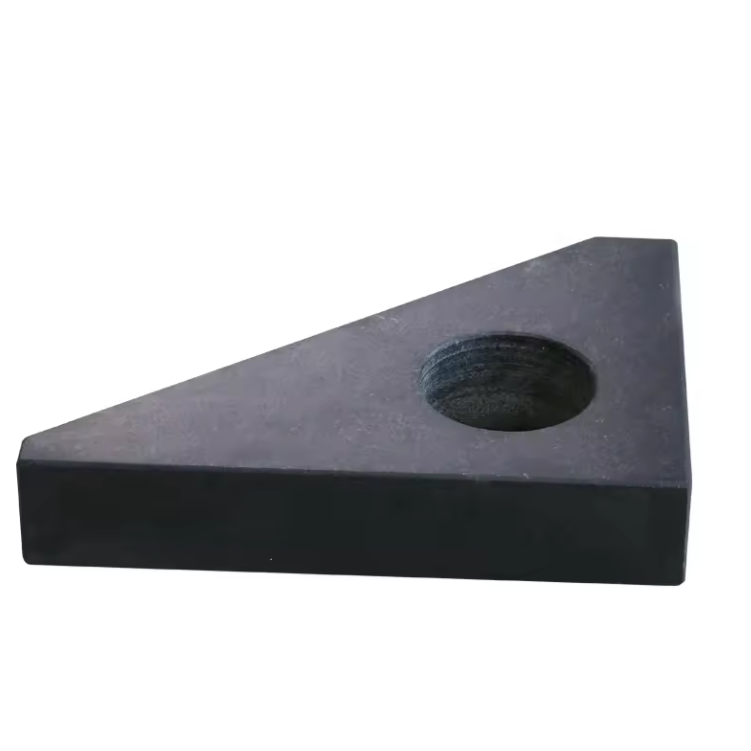
news and information

Using a Level to Create Accurate Markings on a Ruler
marking ruler with spirit level .
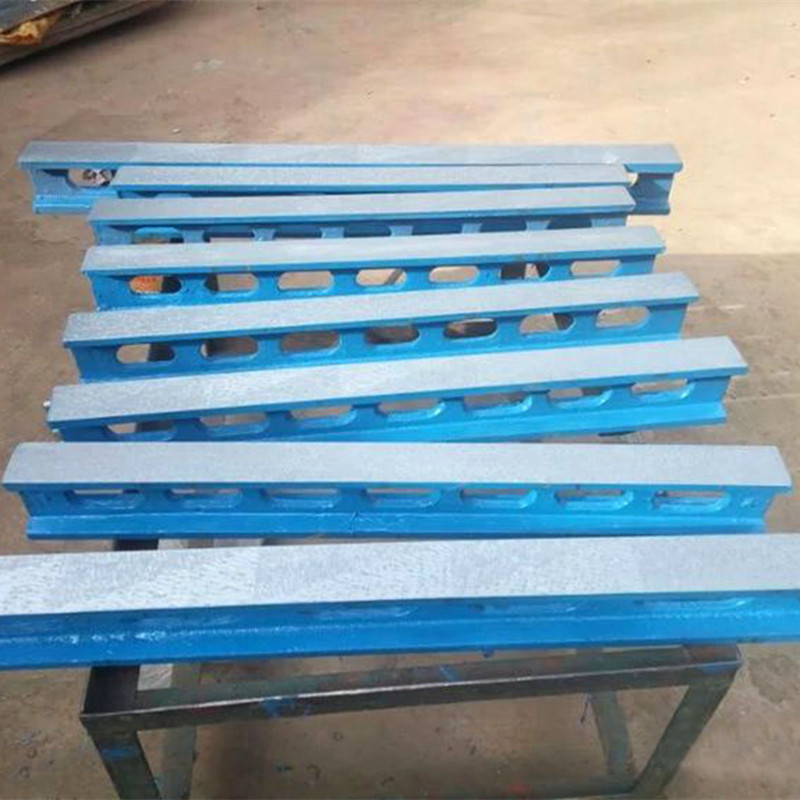
Wholesale Supply Solutions for Valves and Related Components
Understanding the Valve Wholesale Industry Trends and Insights In the dynamic landscape of industria
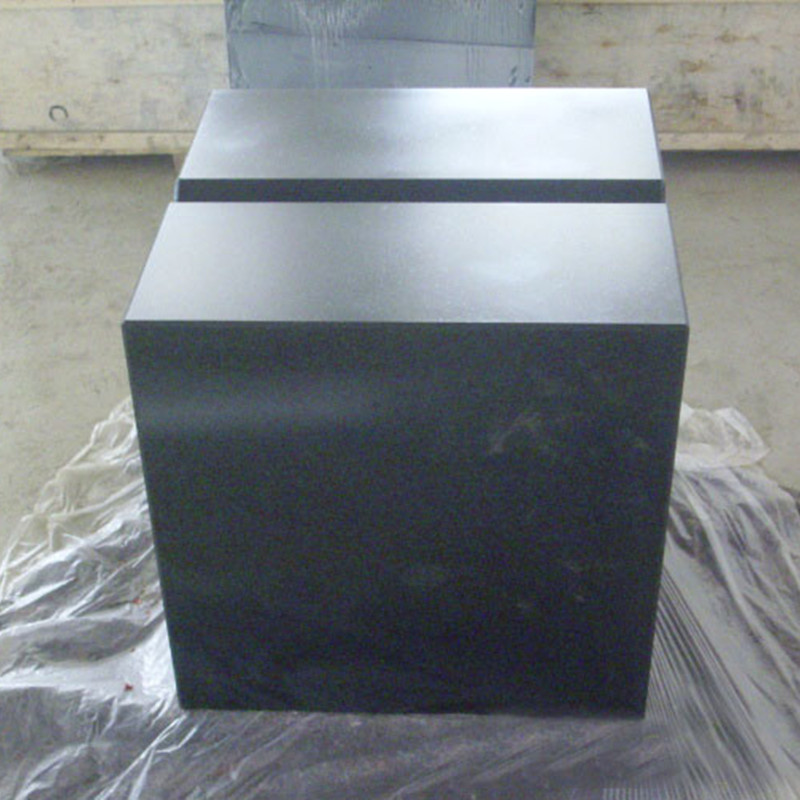
Wholesale Options for High-Quality Ball Valves at Competitive Prices
The Benefits of Wholesale Ball Valves for Industrial Applications Ball valves are crucial components
 English